
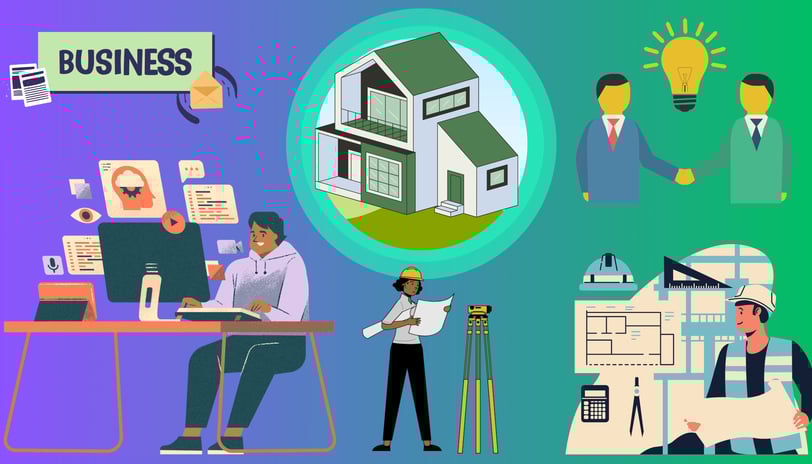
Starting a home design business is an exciting venture, blending creativity with practical skills. It requires a daily dose of motivation to accomplish small, incremental goals that lead to the successful execution of your vision. With the right skills and an initial investment, you can turn your dreams into reality. Remember, no project is too tough to complete when you have determination, a childlike zeal, and the perseverance to achieve whatever you set your mind to.
In the beginning, it’s common to have many questions when considering starting a home design business. I’m here to help clarify those doubts, as I’ve started this journey from scratch myself.
Table of Contents
Kickstart Your Journey in the Design Industry
If you’re considering starting a home design business from the ground up, you’ve come to the right place—this blog is here to guide you. Let’s get straight to the point.
To excel as a designer, the first essential tool you'll need is a high-performance personal computer or laptop. Ensure it’s equipped with the right specifications to run the advanced design software smoothly you'll be working with. A dedicated graphics card is particularly vital, as it enhances your ability to handle high-resolution images, videos, and intricate graphics with precision.
In addition, investing in a quality printer is key to delivering professional results. When presenting your designs, opt for A3-size paper as a minimum. This larger format allows you to showcase detailed plans with clarity, ensuring that text and visuals are crisp and easy to read. By combining these tools, you'll not only boost your workflow but also leave a lasting impression on your clients with polished, high-quality presentations.
Additionally, it’s important to possess certain skills that will empower you to create designs on your computer. These skills will be your foundation as you embark on this exciting venture.
Qualifications for a Home Designer
As you embark on your journey to become a home designer, you might wonder about the qualifications required in this field. Let’s break down your questions and clarify what it takes to succeed.
What is the qualification for a home designer?
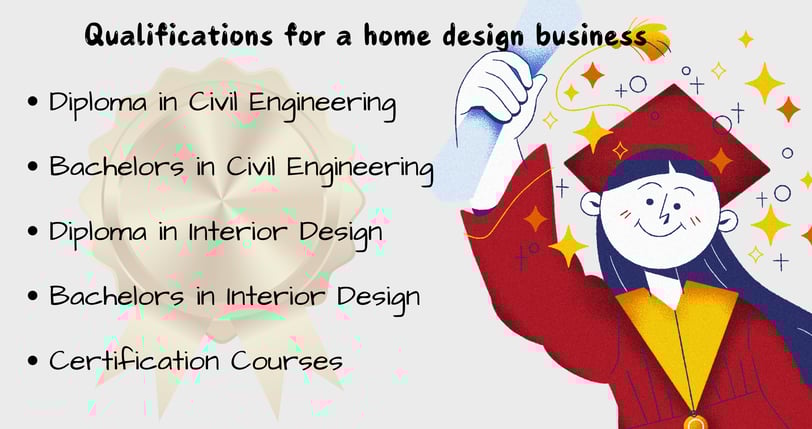
To become a home designer or specialize in house plan design, there are no strict qualifications mandated by law. However, many professionals in this field often hold degrees in interior design, architecture, or related disciplines. These qualifications provide a solid foundation in design principles, color theory, and space planning—key elements for both home plan design and the more technical aspects of house design. The most important skill you must have is knowledge of measurement, which is going to help you a lot in this journey.
In India, aspiring house designers typically pursue a Bachelor’s degree or a Diploma in Civil Engineering, Interior Design, or a Diploma in Interior Design. Some institutes offer certification courses focusing on specialized areas like house plan design or home plan design. While formal education can be beneficial, practical experience and a strong portfolio of projects can sometimes outweigh formal qualifications.
It’s important to note that formal qualifications are not a strict requirement to become a designer or get started with home plan design. Many successful designers start their careers without a degree. What matters most is your ability to create compelling house designs and your passion for the craft. A strong portfolio showcasing your work can often speak louder than any degree.
Is it hard to be a home designer?
Like any profession, it has challenges, especially when balancing design aesthetics and the required technical precision. You’ll need to be adaptable and ready to tackle client feedback, deadlines, and the intricacies of the process. However, if you possess a genuine love for design and a willingness to learn, the journey can be incredibly rewarding.
It may require late nights and early mornings, particularly during busy periods or while managing multiple projects. You may also encounter clients with high expectations, requiring you to hone your communication skills to ensure they feel heard and understood. Yet, the satisfaction of seeing a completed project come to life, tailored specifically to a client's desires, can be immensely fulfilling.
Skills Required to Become a Home Designer
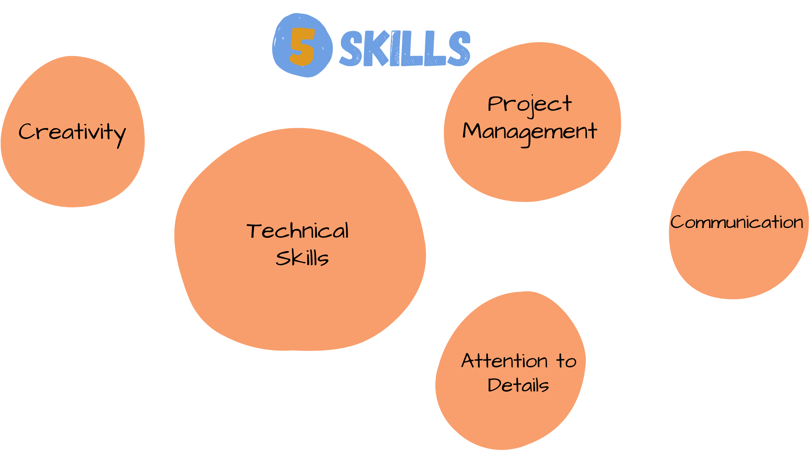
To thrive as a home designer and specialize in areas like home plan design, you’ll need a combination of technical and interpersonal skills:
Creativity: The ability to think outside the box and develop unique ideas for both interior designs and the exterior design of a house plan. Your creative juices will flow as you explore new styles, materials, and layouts that capture the essence of what your clients envision.
Attention to Detail: Ensuring every aspect of your design is precise. From the selection of materials to the arrangement of furniture, small details can make a significant difference in the outcome.
Technical Skills: Proficiency in design software like AutoCAD, SketchUp, or Revit is essential for modern house design and home plan design. Mastering these tools allows you to create detailed and accurate representations of your concepts, making it easier to communicate your ideas to clients.
Communication: Effectively articulating your ideas to clients and understanding their vision for the perfect design. Good communication fosters a positive relationship, ensuring you’re aligned with your client’s expectations.
Project Management: Keeping your projects on track and managing time effectively when designing homes. This includes setting realistic timelines, coordinating with contractors, and ensuring that all aspects of the project are executed smoothly.
The Role of Civil Engineers in Home and House Design
Civil engineers play a crucial role in the construction and structural integrity of homes. If you’re considering a career as a home designer or working in house plan design, understanding the principles of civil engineering can enhance your designs significantly. Collaborating with civil engineers ensures that your designs are not only aesthetically pleasing but also structurally sound.
Civil engineers provide essential insights into the materials and techniques used for construction, ensuring that your designs can be built safely and efficiently. They can also advise on issues like drainage, load-bearing capacities, and compliance with local building codes, which are all critical aspects of successful home design.
How to Acquire Skills?
Acquiring these skills doesn’t have to be daunting. Here are some steps to help you get started:
Education: Consider enrolling in a design course or workshop to gain foundational knowledge, specifically in-house design. Look for programs that offer practical, hands-on experience alongside theoretical instruction.
Online Resources: Utilize platforms like Coursera, Udemy, or YouTube to learn software and techniques. Many tutorials are available for free or at a low cost, allowing you to develop your skills at your own pace.
Practice: Start by designing spaces for friends or family, which can provide you with hands-on experience. This practical application allows you to experiment with different styles and techniques, building your confidence along the way.
Networking: Join local design groups or online forums to connect with other designers and learn from their experiences. Engaging with a community can offer support and inspiration, as well as valuable industry insights.
Seek Mentorship: If possible, find a mentor in the industry who can guide you through the nuances. A mentor can provide personalized advice, share their experiences, and help you navigate challenges.
As you continue your journey, remember that learning is a continuous process. The more you immerse yourself in the field, the better you will become, whether it’s mastering creative house designs or the technical aspects of house plan design.


Designing Your Home Design Business as a Startup
Starting a home design business from scratch can be both thrilling and daunting. The initial phase is crucial for setting the groundwork for your success. Here are some key steps to effectively design your business:
Create a Business Plan
A well-thought-out business plan acts as your roadmap. It should outline your business goals, target audience, marketing strategies, and financial projections. Your plan will help you stay focused and organized as you navigate the ups and downs of starting your business. This document should also include an analysis of competitors and the market, helping you to position yourself effectively.
Choose a Business Structure
Decide whether you want to operate as a sole proprietor, partnership, or limited liability company (LLC). Each structure has its pros and cons, so consider consulting with a legal advisor to choose the best fit for your house design venture. The right structure can help protect your assets and provide you with flexibility in managing your business.
Set Up Your Workspace
Whether it’s a home office or a co-working space, create an environment that inspires creativity. Ensure you have the necessary tools, like a high-quality computer with design software, a reliable internet connection, and comfortable furniture. Your workspace should reflect your design style, creating a stimulating atmosphere that encourages productivity and creativity.
Legal Requirements
Research the licenses and permits needed to operate your home design business legally in your area. This step is crucial to avoid any future legal issues. Many regions require specific licenses to ensure that your business complies with local regulations. Depending on your location, you might need to register your business name, obtain a business license, or get specific permits related to design work.
Starting without the proper legal backing can lead to significant setbacks, including fines or even being forced to shut down your business. Therefore, take the time to investigate what is required in your area. Local chambers of commerce or small business development centers can provide valuable information about compliance.
Develop Your Brand Identity
Marketing Your Services
In today's digital age, effective marketing is crucial for the success of your home design business. Start by leveraging social media platforms like Instagram, Pinterest, and Facebook, which are excellent for showcasing visual work. Share your designs, behind-the-scenes content, and tips on home design to engage your audience and build a following.
Consider starting a blog on your website to establish yourself as an authority in the field. Write about design trends, showcase your projects, and share valuable tips for homeowners. This not only helps in driving traffic to your site but also enhances your credibility.
Networking is another powerful tool. Attend local home shows, design fairs, or industry events to connect with potential clients and collaborators. Building relationships in the industry can lead to referrals and partnerships that benefit your business.


Your brand identity is more than just a logo; it’s how clients perceive your business. Invest time in creating a professional logo, choosing a color palette, and developing a unique style that reflects your values and design philosophy. A strong brand identity helps you to build trust with potential clients and creates a memorable impression.
Consider creating a website that showcases your portfolio, services, and testimonials from satisfied clients. A well-designed website serves as an online business card and can significantly enhance your visibility. Include engaging content that reflects your design expertise and showcases your completed projects, giving potential clients a glimpse into what you can achieve.
Selling Your Designs and Finding Clients for Your Home Design Business
Once you’ve set the stage for your home design business, it’s time to find clients and start selling your services. Here are effective strategies to help you attract and retain clients:


Build a Portfolio
Your portfolio is your strongest marketing tool. It should showcase a variety of projects, highlighting your skills and versatility. Include high-quality images of completed designs, before-and-after shots, and detailed descriptions of your design process.
If you're just starting and don’t have client projects to showcase, consider creating mock designs or working on personal projects. This can help demonstrate your abilities and style to potential clients.
Utilize Word of Mouth
Never underestimate the power of word-of-mouth referrals. Encourage satisfied clients to share their positive experiences with friends and family. Consider offering incentives for referrals, such as discounts on future services. Happy clients can become your best advocates and help you grow your business organically.
Leverage Online Platforms
Online platforms like Houzz, Thumbtack, or Upwork can be excellent avenues to find clients. Create profiles on these platforms to showcase your work and connect with homeowners looking for design services. Actively participating in online communities and forums can also help you establish your presence in the industry.
Offer Consultations
Offering initial consultations can help potential clients feel comfortable with your services. Use these meetings to understand their needs, discuss their vision, and present your ideas. This personalized approach can build trust and lead to successful collaborations.
Create a Unique Selling Proposition (USP)
In a competitive market, having a unique selling proposition (USP) can set you apart from others. Think about what makes your home design services unique. It could be your focus on sustainability, your approach to incorporating technology, or your ability to blend traditional and modern styles seamlessly.
Clearly communicate your USP in all your marketing materials and conversations with potential clients. It’s essential for clients to understand why they should choose your services over others.
Essential Considerations in Home Design
As you progress in your home design business, keep in mind some critical factors that can influence your success:
Understanding Client Needs
Every client has a unique vision for their home. Taking the time to understand their needs, preferences, and lifestyle is essential. Use your consultation meetings to ask questions and actively listen to their responses. This understanding will guide your design decisions and ensure that you create spaces that truly reflect your clients' desires.
Staying Updated on Trends
The design industry is ever-evolving, with new trends and technologies emerging regularly. Make it a habit to stay informed about the latest design trends, materials, and techniques. Subscribe to industry magazines, follow design blogs, and participate in workshops to keep your knowledge fresh and relevant.
Building Strong Relationships with Suppliers
Developing good relationships with suppliers can significantly impact your business. Reliable suppliers can provide you with quality materials at competitive prices, helping you maintain a positive reputation. Cultivating these relationships can also lead to better service and potential discounts, which can benefit your bottom line.
Managing Finances Wisely
Proper financial management is crucial for the success of your home design business. Keep track of your income and expenses diligently, and consider investing in accounting software to streamline the process. Regularly reviewing your finances will help you identify areas for improvement and ensure that you’re on track to meet your financial goals.
Embracing Feedback
Feedback, whether positive or constructive, is invaluable in the design industry. Encourage clients to share their thoughts on your designs and services. Use this feedback to refine your skills and improve your offerings. Embracing feedback will help you grow as a designer and build stronger relationships with your clients.
Continuing Education
Finally, never stop learning. The design industry is dynamic, and staying updated on new skills, techniques, and trends is essential. Consider enrolling in workshops, attending conferences, or pursuing further education to enhance your expertise. Continuous learning will empower you to offer innovative solutions and keep your designs fresh and exciting.
Conclusion
Starting a home design business is a fulfilling journey that requires creativity, dedication, and a willingness to learn. By understanding the qualifications needed, acquiring essential skills, and effectively marketing your services, you can turn your passion for design into a successful venture. Remember, the path may be challenging, but each step you take brings you closer to your dreams. Embrace the journey, and let your creativity shine as you help others transform their houses into homes.